RWA: Building a Bridge Between Two Financial Worlds
Real-World Assets are helping create a connection between established economic value and the speed, transparency and flexibility of modern digital infrastructure.
Two Markets, One Evolving Ecosystem
For decades, traditional financial assets and digital assets developed through very different systems. Traditional markets relied on established institutions, ownership records and financial infrastructure, while blockchain introduced a new model built around digital networks and programmable assets.
The growth of Real-World Assets (RWA) is bringing these two environments closer together. Instead of replacing real-world value, RWA technology provides a digital layer through which certain assets and economic interests can be represented, recorded and accessed.
What Creates the Bridge?
At the center of this connection is tokenization. In simplified terms, tokenization allows certain rights or interests associated with an underlying asset to be represented digitally within a blockchain-based environment.
This creates an infrastructure through which information, ownership records and asset-related activity can potentially interact with digital systems more efficiently, while the underlying economic value remains connected to the real world.
More Than Real Estate
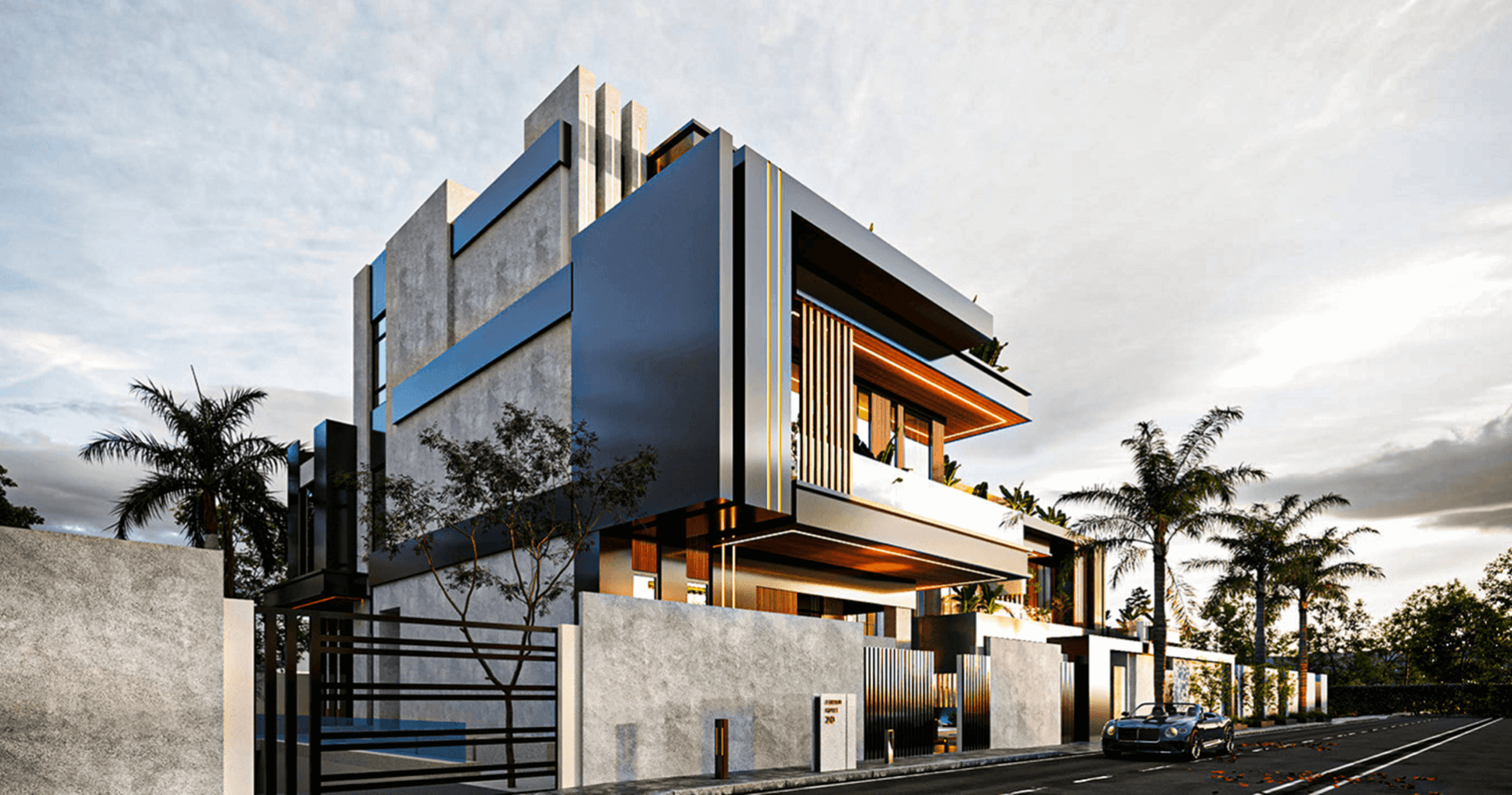
RWA is sometimes associated primarily with property, but the concept is considerably broader. Depending on the structure and market, real-world asset models can extend to areas such as private credit, commodities, financial instruments, infrastructure and other economically productive assets.
This diversity is one reason the RWA ecosystem continues to attract attention: it provides a framework for bringing different categories of real-world value into a more connected digital environment.
From Ownership to Programmability
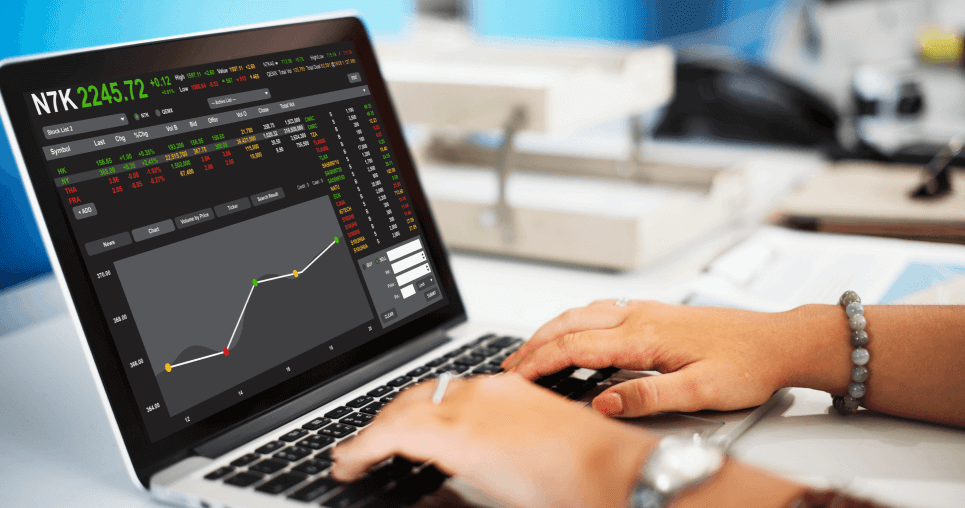
One of the most important differences introduced by blockchain infrastructure is programmability. Digital representations of assets can interact with technology in ways that conventional records were not originally designed to support.
As the supporting infrastructure develops, this may allow different parts of the asset lifecycle — including records, access, administration and settlement processes — to become increasingly connected through digital systems.
A Market Still Taking Shape
The RWA landscape continues to evolve alongside technology, market infrastructure and regulatory frameworks. Different asset categories may require different structures, making transparency, asset understanding and appropriate digital infrastructure important parts of the ecosystem's development.
ReadyRWA views real-world assets as part of a broader transformation in how value can connect with digital infrastructure. Our focus is on creating a clearer bridge between real-world economic value and modern digital participation, while making the evolving RWA ecosystem easier to understand and navigate.